Reel Hook Mistakes That Cost You the First Three Seconds

- Primary Signal: Reel Hook Mistakes That Cost You the First Three Seconds
- Overview: The first three seconds decide whether a viewer stays or swipes. These common hook mistakes silently kill reels before the content even begins....
- Verification: Analyzed and compiled by ReelHub Live editorial monitoring desk.
Short-form viewers make a stay-or-swipe decision within about three seconds of a reel starting, often faster. In that tiny window, they judge whether the video is relevant, interesting, and worth their time, using only the opening image, the first words, and the initial energy. A hook that fails in those three seconds means the rest of the video, no matter how good, is never seen. This is why hook mistakes are the most expensive mistakes in short-form video: they do not just weaken a reel, they prevent it from being watched at all. Understanding the most common hook mistakes is therefore the highest-leverage improvement most creators can make.
The first mistake is starting with an introduction. Opening with a greeting, a channel name, a logo, or a phrase like a lengthy welcome wastes the critical window on information the viewer does not need. Viewers do not care who you are until they care what you are showing them, so introductions belong after the hook, not before it. Start instead with the most interesting moment, the surprising result, or the core question, and introduce yourself only once the viewer has decided to stay. Every second spent on introduction is a second not spent on earning attention.
The second mistake is a vague or generic hook that could apply to any video in your niche. Phrases that promise tips, secrets, or amazing content without saying anything specific do not create curiosity, because viewers have heard them thousands of times and learned to ignore them. A specific hook works better: name the exact result, the exact mistake, or the exact question the reel answers, so the viewer instantly knows whether this video is for them. Specificity is a filter that attracts the right viewers and repels the wrong ones, which is exactly what you want, since the right viewers watch longer and engage more.
The third mistake is a mismatch between the visual hook and the spoken hook. If the words promise one thing while the image shows something unrelated, viewers experience a moment of confusion, and confused viewers swipe. Match the opening visual to the opening words: if you promise a transformation, show the before state; if you ask a question, show the subject of the question; if you claim a surprising result, show a glimpse of it. The fourth mistake is low energy: a slow, quiet, or static opening that feels like the video has not started yet. Open with movement, expression, or sound that signals energy, even if the rest of the video is calm, because the opening must compete with every other video in the feed.
A simple pre-publish hook test catches most of these mistakes. Watch only the first three seconds of your reel with the sound off, then with the sound on, and ask three questions: do I understand what this video is about, am I curious about what happens next, and does the energy feel high enough to compete in a feed? If any answer is no, rework the opening before publishing, even if it means re-editing or refilming the first seconds. This test takes a minute and saves reels that would otherwise fail for reasons that have nothing to do with their main content.
Also build a small library of hook types that work for your niche, and rotate through them rather than using the same opening every time. Result-first hooks, question hooks, mistake hooks, and contrast hooks each suit different topics, and variety prevents your audience from learning to ignore your openings. Study the hooks of reels that held your own attention, and note what they did in the first three seconds that yours did not. Hooks are a craft, not a talent, and creators who practise them deliberately see their average watch time rise faster than creators who focus only on editing or topics.
📖 Continue Reading the Full Story
Continue reading this article on ReelHub Live.
⚡ Access Full Content NowMore from ReelHub Live


 🔥 ViralBuzz 168
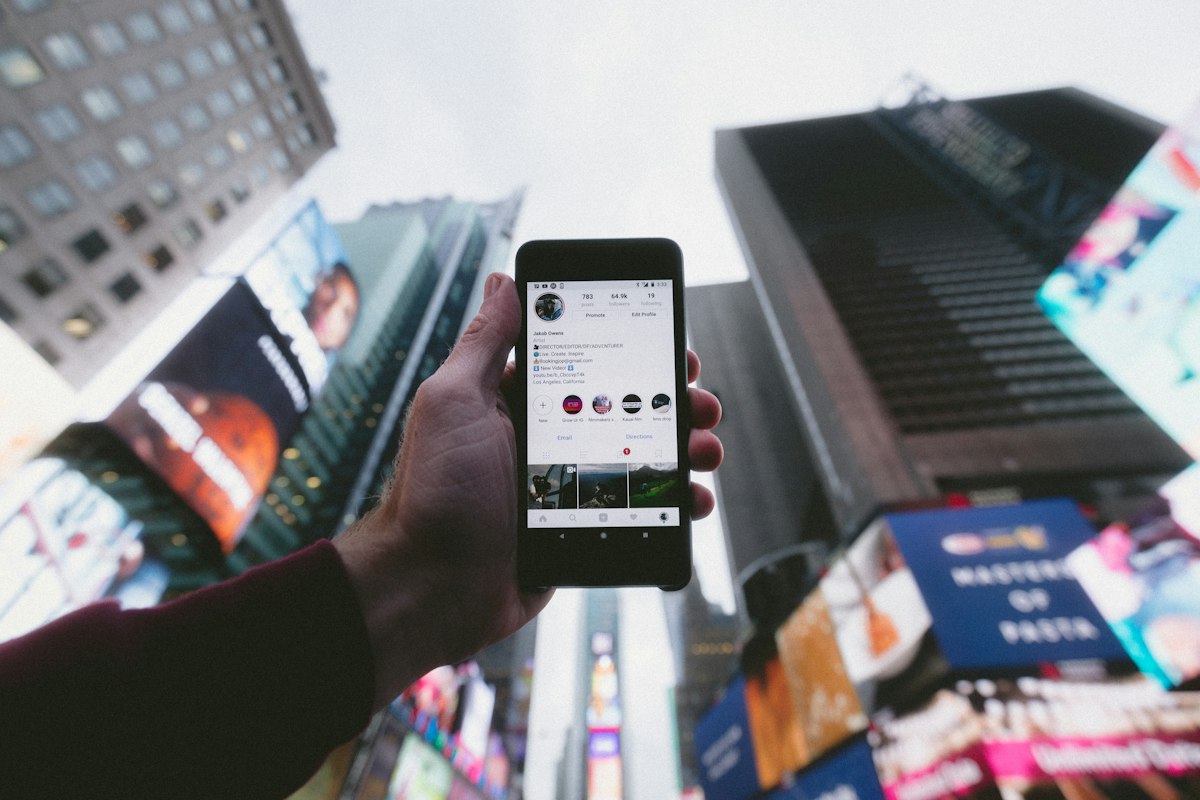
2026 Content Creator Awards Light Up Sandton Tonight With Music, Dance and Star Power
The 2026 Samsung Galaxy Content Creator Awards take over The Galleria in Sandton on October 17, celebrating So...
 🍿 CosmoCinema 998
How to Find Movies With Subtitles on Netflix in 2026: The Complete Guide
From the Browse by Languages page to the new Search by Language tool, here is every reliable way to find Netfl...
 📦 Free2Rich Vault
How to Price Your First Freelance Project Without Undercharging
A practical pricing walkthrough for new freelancers: calculating your floor rate, choosing between hourly and ...
 🌍 FreeSky Remote
How to Get Your First Client on Upwork With No Reviews (2026)
A blank Upwork profile is not a dead end — every top-rated freelancer started there. This is the practical pla...