How to Film Reels With Just Your Phone and Natural Light

- Primary Signal: How to Film Reels With Just Your Phone and Natural Light
- Overview: You do not need a camera or studio lights to film great reels; a phone, a window, and a few positioning tricks will beat expensive gear used badly....
- Verification: Analyzed and compiled by ReelHub Live editorial monitoring desk.
New creators often delay starting because they believe they need a camera, lights, and a microphone before their reels can look good. That belief is backwards: the phone in your pocket shoots better video than professional cameras did a decade ago, and natural light, used well, looks more flattering than most budget lighting kits. The creators who grow fastest are usually the ones who start with what they have and learn to use it well, not the ones who wait until they can afford gear.
The best natural light comes from a window, not from direct sun. Position yourself facing a large window, with the light falling on your face, and film during the morning or late afternoon when the light is soft and warm. Avoid harsh midday sun, which creates hard shadows and makes you squint, and avoid filming with a window behind you, which turns you into a silhouette. If the light is too strong, hang a thin white curtain or a sheet over the window to diffuse it; that single trick can make phone footage look professionally lit.
For outdoor reels, shade is your friend. Film under a tree, a porch, or an overhang where the light is even, rather than in direct sunlight where half your face is bright and half is dark. Overcast days are actually ideal for filming, because clouds act as a giant diffuser and produce soft, even light with no harsh shadows. The golden hour, the hour before sunset, gives the warm, flattering light that makes reels look cinematic with zero effort.
Set your phone to record at the highest resolution it offers, usually 1080p or 4K, and at 30 frames per second, which looks natural for reels. Lock the exposure and focus by tapping and holding on your face before recording, so the phone does not keep adjusting brightness as you move. Clean the lens before every session, because a smudged lens is the most common reason phone footage looks soft, and it takes two seconds to fix.
Stabilisation matters more than resolution. Hold the phone with both hands, tuck your elbows against your body, and move slowly. A cheap phone tripod or a stack of books works for talking-head reels, and for moving shots, walk slowly and bend your knees slightly to absorb bounce. Shaky footage is the fastest way to make a good idea look amateur, while steady footage makes even a simple idea look polished.
Sound is where phone filming usually fails, so film in a quiet room, close the windows, and speak clearly towards the phone. If you are filming outdoors, shield the phone from wind with your hand or a simple foam cover, because wind noise ruins otherwise good footage. Frame yourself with your eyes in the upper third of the screen, leave a little space above your head, and keep the background tidy but not empty: a bookshelf, a plant, or a plain wall all work, while a cluttered room distracts from you. With light, stability, sound, and framing handled, your phone reels will look better than most creators' camera reels, and you will have spent nothing on gear.
Phone filming also improves dramatically with a little attention to background and depth. Standing a few steps away from the wall behind you creates a soft, blurred background that makes you stand out, while standing flat against a wall makes the shot look like a video call. A plant, a shelf, or a window in the background adds visual interest without distraction, and keeping the background consistent across reels builds a recognisable look for your feed. These small framing choices cost nothing, take seconds to arrange, and are the difference between footage that looks casual and footage that looks considered.
📖 Continue Reading the Full Story
Continue reading this article on ReelHub Live.
⚡ Access Full Content NowMore from ReelHub Live



 🔥 ViralBuzz 168
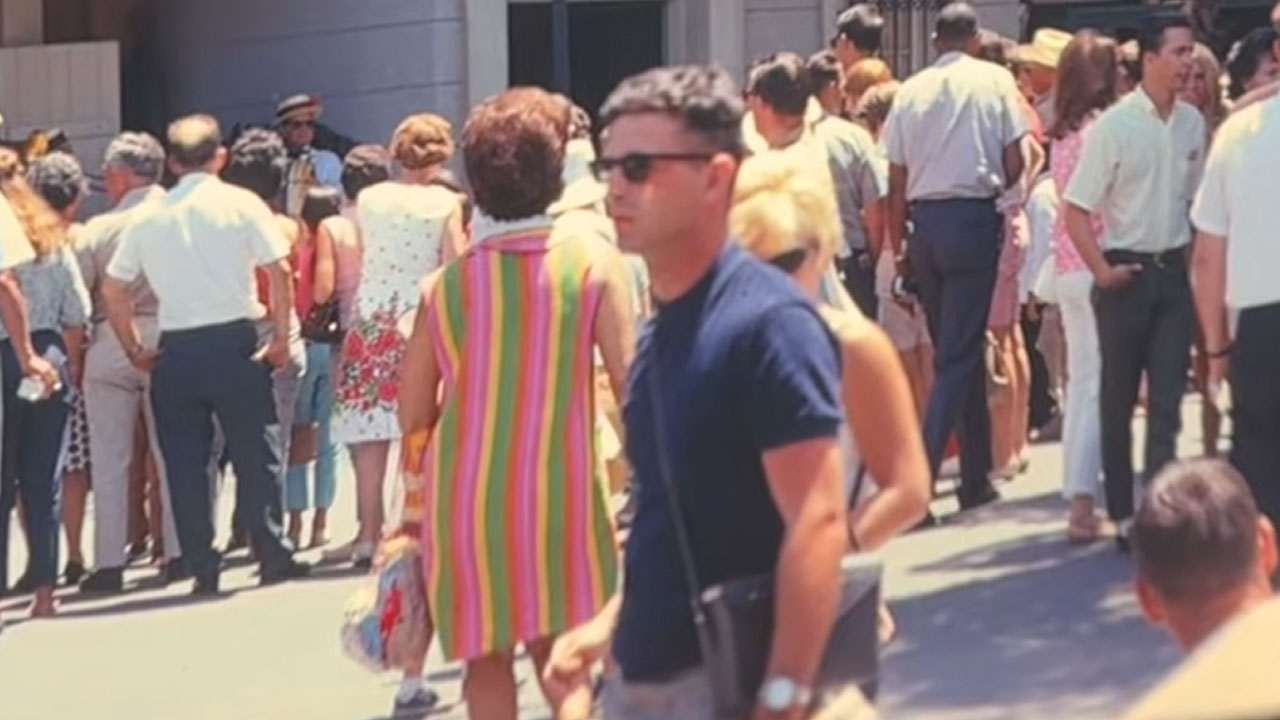
Mulher vê um homem na foto da Disneylândia dos anos 1960 que parece ter acabado de entrar em 2026
A moda tem um jeito de voltar, com tendências antigas encontrando seu lugar nos guarda-roupas modernos. Uma mu...
 🍿 CosmoCinema 998
Regulatory & Compliance Guide: Playback Speed Calculator — Video Time at Any Speed (Day 25 Guide)
Navigating statutory requirements with the Playback Speed Calculator — Video Time at Any Speed on CosmoCinema ...
 🤖 WinBar AI
Instagram Reels Downloader for PC: Save Reels Free Online
Download Instagram Reels to your PC free — no app, no login. Paste the reel link and save in HD quality straig...
 🚀 RocketCoin Casino
Who Answers Your Casino's Phones When the Tables Are Hot at 3 AM?
Peak play happens at night and on weekends — exactly when support teams are thinnest. An honest comparison of ...