Reel Editing Pacing: Why a Cut Every 3 Seconds Keeps Viewers Watching
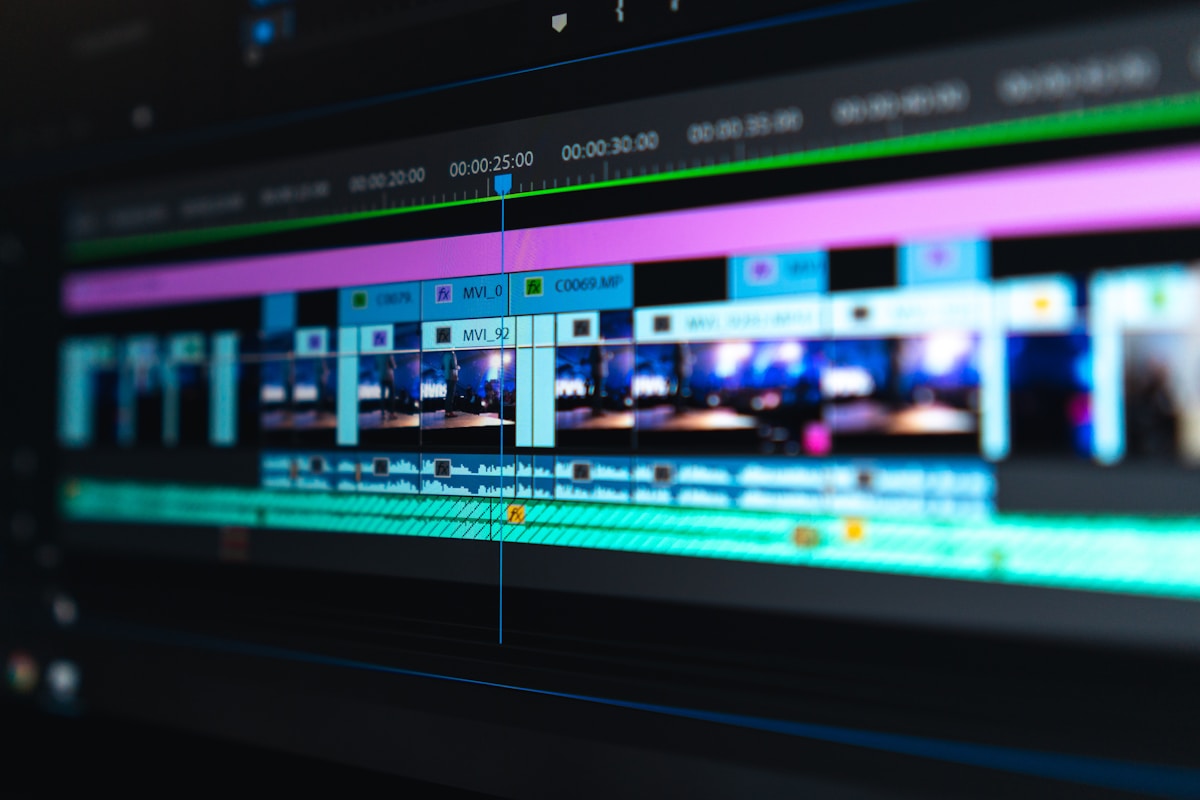
- Primary Signal: Reel Editing Pacing: Why a Cut Every 3 Seconds Keeps Viewers Watching
- Overview: Attention drops fast in short-form video, and pacing is the fix. Learn how cut rhythm, B-roll, and sound design hold retention from the first frame to the last....
- Verification: Analyzed and compiled by ReelHub Live editorial monitoring desk.
Watch a viral reel and count the cuts. Most change shots every two to three seconds, even when the subject is just talking to a camera. That rhythm is not accidental. Human attention in a scrolling feed resets with every visual change, and a shot that sits unchanged for six or seven seconds feels slow, even if the words being spoken are interesting. Pacing is the invisible force behind retention, and creators who master it keep viewers watching long after the hook has done its job.
The three-second rule is a practical guideline, not a law of physics. It means that roughly every three seconds, something on screen should change: a new angle, a zoom, a cutaway, an on-screen graphic, or a text pop. These changes do not need to be dramatic. A simple jump cut that removes a pause, a quick cut to B-roll illustrating the point, or a subtle push-in on the speaker's face all count as visual refreshes. The point is to keep the eye engaged while the message continues uninterrupted.
Jump cuts are the workhorse of reel pacing, and they do two jobs at once. They remove dead air, filler words, and pauses that feel natural in conversation but glacial in short-form video, and they create rhythm. Edit your talking-head footage by cutting every pause longer than a beat, and you will often cut a forty-five-second ramble into a tight twenty-five-second reel that holds attention far better. The result can feel abrupt at first, but audiences are trained on this rhythm now, and they read fast cuts as energy, not rudeness.
B-roll is the second pacing tool, and it is underused by beginners. When you mention a product, show it. When you describe a place, cut to it. When you tell a story, layer in a relevant clip, even a simple screen recording or a close-up of your hands working. B-roll gives the viewer's eye something new while the audio carries the message, which is exactly how retention survives beyond the opening seconds. A reel that is only a face talking for thirty seconds, however good the advice, will almost always lose to the same advice illustrated with visuals.
Sound design is pacing for the ears. Music with a clear beat lets you cut on the beat, which feels satisfying and professional, and sound effects can punctuate key moments: a whoosh on a transition, a click when text appears, a brief silence before an important line. Silence is especially powerful. A half-second of quiet before a reveal makes viewers lean in, while constant loud music flattens everything into background noise. Layer your audio deliberately rather than dropping one track over the whole video and calling it done.
The biggest pacing mistake is confusing fast with frantic. Cutting every second, stacking effects, and flashing text constantly does not increase retention; it exhausts viewers and makes the message impossible to follow. Good pacing has variation: fast cuts during an energetic section, a slightly longer hold on an emotional beat or an important reveal, then speed again. Think of pacing like music, with verses and choruses, rather than a single speed from start to finish. The variation is what keeps the brain engaged.
Length and pacing work together. A fifteen-second reel can survive a slower pace because it ends before boredom sets in, while a sixty-second reel needs strong pacing throughout or viewers will leave halfway. Before posting a longer reel, watch it back and mark every moment your attention wanders. Those are the moments your audience will leave too. Cut them, illustrate them with B-roll, or move the payoff earlier. A reel should be exactly as long as its value lasts, and not a second longer.
Build pacing into your filming, not just your editing. Shoot extra angles and close-ups so you have material to cut to, record clean audio so cuts sound natural, and plan one visual change per idea while scripting. Editing can rescue mediocre pacing, but it cannot invent footage that was never shot. Creators who film with the edit in mind produce reels that feel fast and polished with half the editing effort, and that efficiency is what makes consistent daily posting sustainable.
📖 Continue Reading the Full Story
Continue reading this article on ReelHub Live.
⚡ Access Full Content NowMore from ReelHub Live



 🔥 ViralBuzz 168
How to Go Viral on Instagram With Zero Followers in 2026
Instagram no longer shows your Reels only to followers, which means a brand-new account can break out. Here is...
 🍿 CosmoCinema 998
Best New TV Shows to Binge This Weekend in Fall 2026
Fall 2026 has delivered a strong run of new series across streaming. Here are the freshest shows worth startin...
⚡ CyberTech 568
10 Free AI Tools That Save Freelancers 10 Hours a Week
Ten genuinely free AI tools for writing, design, and admin — build them into your workflow and reclaim roughly...
 🎰 WinBar VIP
Comprehensive Guide: Freelancer Net Pay Calculator (PKR) — Upwork, Fiverr & Payoneer Fees (Day 1 Guide)
Everything you need to know about Freelancer Net Pay Calculator (PKR) — Upwork, Fiverr & Payoneer Fees on WinB...