
How to Hook Viewers in the First 3 Seconds of a Reel: The 2026 Opening Formula
Learn the 2026 opening formula for reels: a visual hook, a curiosity gap and a payoff promise in the first three seconds, with examples you can copy.
265 stories published in 2026
Learn the 2026 opening formula for reels: a visual hook, a curiosity gap and a payoff promise in the first three seconds, with examples you can copy.

There is no single perfect reel length, but short looping reels and complete mid-length reels serve different goals, and matching length to your idea is what matters.

Trending audio can boost discovery, but it only helps when the sound fits your niche and your idea, so borrow the trend's momentum, not its exact format.

Comments grow when captions ask something easy and specific, so end every reel with one clear question instead of a generic invitation to engage.

A good repurposed reel is not a clipped highlight; it is a complete idea with its own hook, context, and ending, cut from a longer video.

Generic best-time charts are a starting point at best, so use your own audience insights to find when your followers are actually online and test from there.
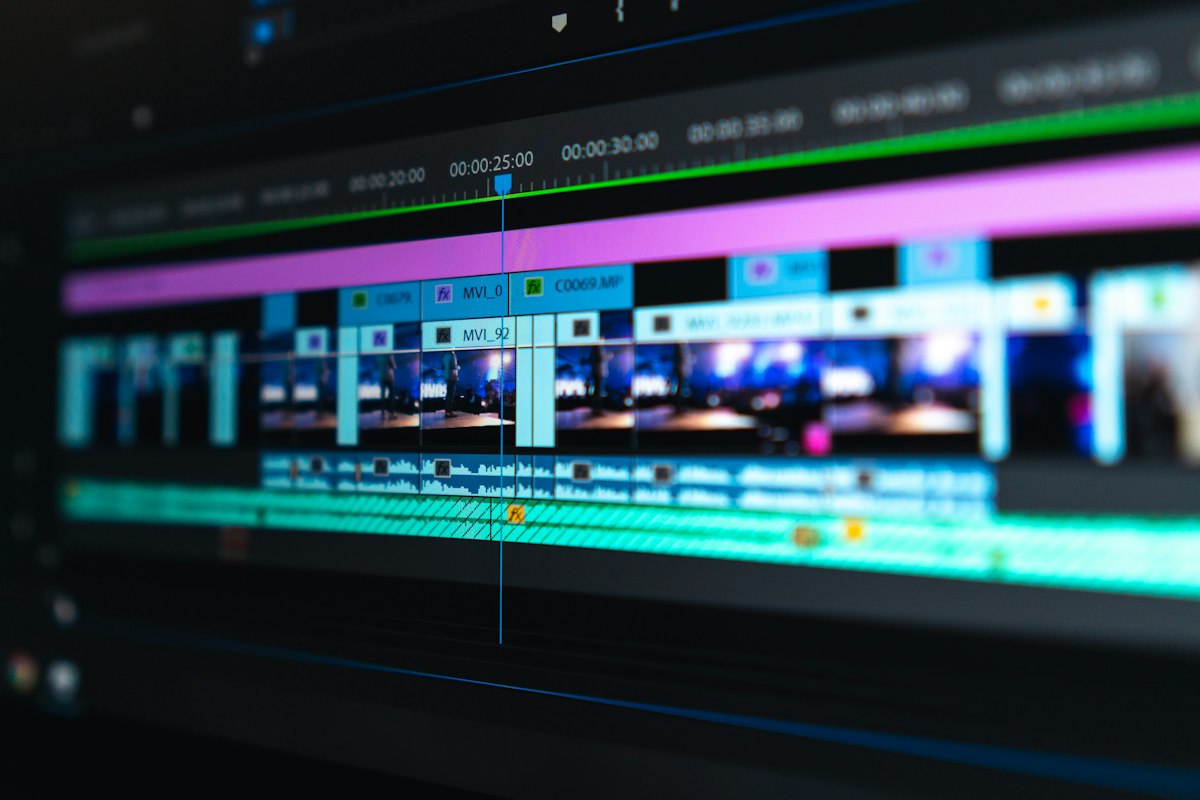
Transitions are not decoration; they guide the viewer's eye from one moment to the next, and three simple techniques cover most beginner needs.

Most reel metrics are noise, so focus on four: watch time, non-follower reach, saves and shares, and follower conversion, and let those guide your next reel.

A reel series turns one-time viewers into returning ones by giving them a reason to come back, and the best formats are built on progress, questions, or routine.

Collaborations expose you to a new audience that already trusts your partner, so choose partners whose viewers would genuinely enjoy your content too.

Write a Reel hook as one spoken line of about 8 to 9 words that names a specific stake and leaves an open question, shown on screen at the same time as a moving first frame.
Trial Reels let you show a video to strangers first and only share it with your followers if it performs — the closest thing Instagram offers to risk-free A/B testing for creators.

Instagram is now a search engine for Reels — placing your target keyword in the caption, alt text, spoken audio and on-screen text is what makes a Reel findable instead of invisible.
Instagram's ranking puts sends per reach above likes for non-follower discovery — Reels people forward to a friend are the Reels that travel furthest, so design content worth sending.
A Reel that loops without viewers noticing earns replays, longer watch time and stronger ranking — learn the match-cut, sound loop and action-continuation techniques that make loops invisible.

Your Reel cover is the thumbnail that decides whether a stranger visits your profile — a readable keyword, a clear face or result, and a consistent style turn scrollers into followers.

Random Reels make analytics unreadable and audiences confused — choosing three to five content pillars gives your account focus, variety and a testable posting system.
Sharing a Reel to Stories is not just a repost — timed story shares, stickers and replies turn your existing followers into the first wave that pushes a Reel to strangers.
Most Reels are watched without sound, so on-screen text and captions are not extras — they are how the majority of your audience understands, stays, and shares your video.
A flopped Reel is data, not a verdict — checking retention, sends and audience mismatch tells you whether to fix the hook, change the topic, or relaunch a re-edited version.

Posting more Reels does not automatically grow an account — the right weekly frequency balances enough data to learn, enough quality to keep viewers, and a rhythm your audience can rely on.

Trial Reels show your video to non-followers first, so you can test ideas without spamming your audience. Learn when to use them and how to read the results.
Trending audio can push your Reel onto the audio page and into new feeds, but only when the sound fits the video. Here is how to find trending sounds and use them without looking forced.
Up to half of viewers swipe away in the first three seconds, so your hook decides everything. These hook patterns and examples show how to earn the rest of the watch.